About Elizabeth
I work with executives in transition who know their career is not over and need to figure out what it looks like next.
That is a different problem than most people around them understand. The options that look obvious are rarely the right ones. The timeline and the financial exposure feel heavy and urgent.
The standard advice, network harder, update your resume, find the next role, does not account for the possibility that the next role may not be standard.
My work helps executives figure out what to build next, and make sure it is built on what actually fits their life, not on what is fastest or most familiar.
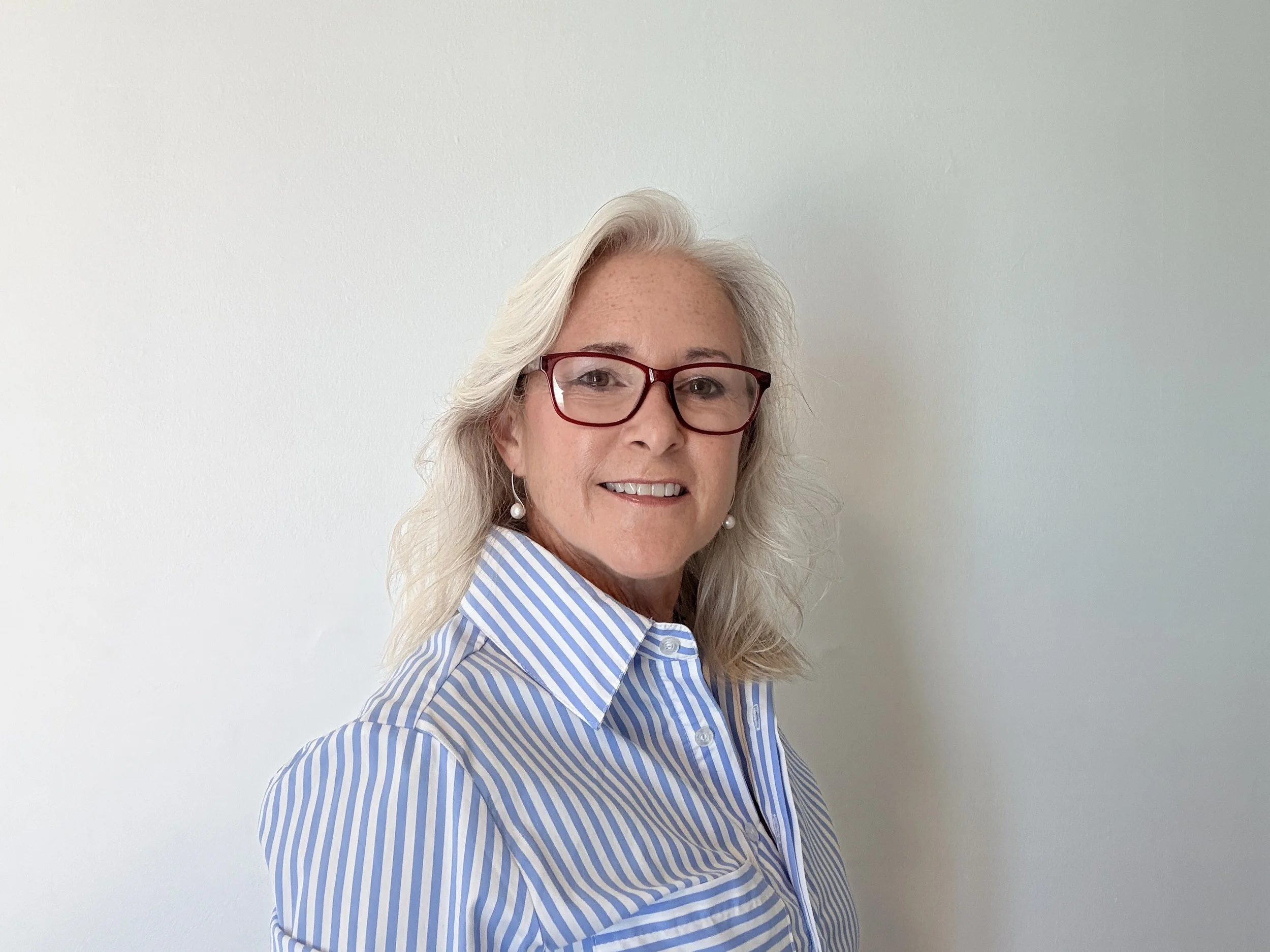
Where This Comes From
Early in my career I worked with a Boston boutique law firm specializing in startup formation and funding rounds, where I saw up close how high-stakes decisions get made inside early-stage companies. From there I moved into corporate law at Thermo Fisher Scientific and Apple Inc., placed at the center of the legal and operational infrastructure of multinational organizations.
That background gave me something most advisors in this space do not have. I was inside the rooms where the decisions were made at each level. I understand how leadership decisions move at scale, how they land inside the organization, and what they set in motion beyond it.
The decade since leaving Apple has been spent working directly with executives and founders navigating transition. Living and working across Panama, Colombia, and Spain gave me a wider lens on that work. The cultural context changes but the human dynamics do not.
That pattern recognition became The Entrepreneur Advantage, my book on the human infrastructure underneath sustainable leadership and business growth.
The Work In Action
A David (name has been changed) had spent twenty years at the same company. He had built teams, delivered results, and earned his seat at the table. When new management came in, that seat disappeared.
He did what most executives do. He went looking for the next role. What he found was a market that had changed around him. Fewer positions at his level, more competition for each one, and a growing sense that he was chasing something that no longer fit the life he wanted.
He came to Puerto Rico for his Executive Transition Advisory Immersion. Two days of focused work on what he was actually built for, what the market actually needed, and where those two things overlapped in a way he could own.
He left with a business concept built from his real expertise, a 90-day plan to test it, and for the first time in months, a direction he could move toward with confidence instead of one he was settling for.
As of this writing, he is well on his way to hitting his year-end revenue goals.

Susan (name has been changed) had a different challenge. She was highly capable, had worked across multiple industries, and had a long track record of making things work in difficult environments. Each one never satisfied and never lasted.
The issue was that fear and urgency had been driving every decision. She kept taking roles she could do without asking whether they were roles she actually wanted.
The work with her was not about finding the next opportunity, it was about understanding what she needed in a role that would expand with her.

Both of these clients left with something clearer than a plan. They left knowing what they were building and why it would hold.
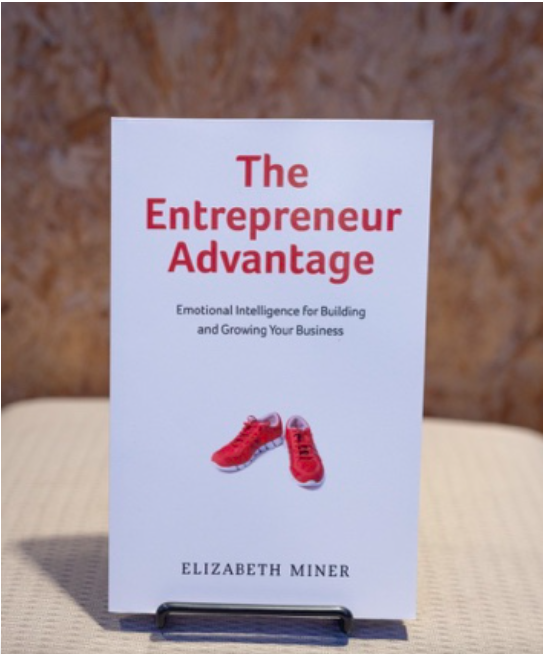
This book should be considered a prerequisite for all aspiring entrepreneurs and a useful self reflection tool for current entrepreneurs seeking areas of improvement.
David Hanlon
This book would have saved me from countless heartaches, lost time, and wasted energy during my first few years of entrepreneurship had it been around for me to read then. This book not only provides you with a clear understanding of what to expect in the world of entrepreneurship but more so, how to best handle all of the different stages of the journey.
Mike Goncalves
What you can expect
This work will move you. It will require honesty about what has not been working and clarity about what you actually want, not just what seems responsible to want.
It will leave you with a direction you can defend and a path you can execute.
If you are ready for that conversation, I would like to hear what you are navigating.